
The Rise of Sustainable House Design: Eco-Friendly Features for Your Home
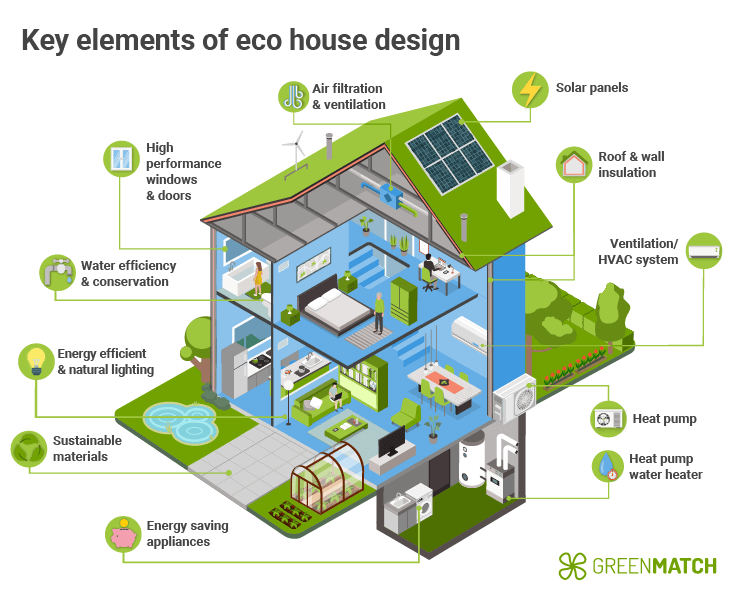
In recent years, sustainable house design has emerged as a critical movement within the architectural and interior design industries. With growing concerns over climate change, resource depletion, and environmental degradation, homeowners are increasingly looking for ways to make their homes not only more energy-efficient but also more environmentally responsible. Eco-friendly features in homes are no longer just a trend, but a lifestyle shift that seeks to reduce the carbon footprint of everyday living.
From energy-efficient appliances to the integration of renewable energy systems, the rise of sustainable house design is revolutionizing how homes are built and remodeled. In this article, we will explore the key elements that define eco-friendly homes and how they can benefit homeowners and the environment alike.
1. Energy-Efficient Architecture: A New Standard
One of the cornerstones of sustainable house design is the energy-efficient architecture that minimizes energy consumption while maintaining comfort. Energy-efficient homes not only reduce utility bills but also help mitigate the impact of residential energy use on the environment. Several architectural features contribute to making a home more energy-efficient:
- Passive solar design: This technique involves positioning windows and openings to maximize the use of natural sunlight, which can significantly reduce heating costs during colder months.
- High-performance insulation: Proper insulation ensures that heat stays inside during the winter and outside during the summer, cutting down on the need for heating and cooling.
- Smart ventilation systems: These systems promote air circulation while controlling moisture levels, which enhances indoor air quality and reduces the need for mechanical heating and cooling.
By investing in energy-efficient architecture, homeowners can create a comfortable living environment that requires less energy to maintain optimal conditions, contributing to sustainability.
2. Solar Power: Harnessing the Sun’s Energy
The integration of solar power systems is perhaps the most recognizable eco-friendly feature of modern sustainable homes. Solar panels capture the energy of the sun and convert it into electricity, reducing the home’s reliance on fossil fuels and the grid. The advantages of incorporating solar power into a home are undeniable:
- Lower electricity bills: Solar power can offset a significant portion of a home’s electricity consumption, leading to reduced energy costs.
- Energy independence: By generating their own electricity, homeowners can become less reliant on external sources of power, which can be especially valuable during peak demand or power outages.
- Increased property value: Homes equipped with solar panels are seen as more desirable, as they offer long-term energy savings and a reduced environmental impact.
Whether through rooftop panels or solar water heaters, solar power is an integral component of eco-friendly design, bringing both financial and environmental benefits.
3. Sustainable Materials: A Conscious Approach to Building
The materials used in constructing a home play a significant role in determining its overall environmental footprint. Sustainable building materials are sourced with minimal environmental impact, offering durability and functionality while reducing the need for frequent replacements. Some of the top sustainable materials include:
- Reclaimed wood: Using salvaged wood from old buildings or structures reduces deforestation and gives new life to materials that would otherwise be discarded.
- Bamboo: Bamboo is a fast-growing, renewable resource that serves as a versatile material for flooring, cabinetry, and furniture.
- Recycled metal and glass: These materials can be repurposed to create new structural elements, reducing waste and conserving raw materials.
- Hempcrete: A biocomposite material made from hemp, lime, and water, hempcrete is an eco-friendly alternative to traditional concrete, offering excellent insulation and a minimal environmental impact.
Choosing sustainable materials helps minimize the carbon footprint of construction while promoting a healthier environment.
4. Water Conservation: The Importance of Efficient Systems
Water conservation is another fundamental aspect of eco-friendly features in home design. With water scarcity becoming an increasing concern in many parts of the world, incorporating water-efficient systems into a home is crucial to reducing its ecological footprint. Some of the most effective water-saving features include:
- Low-flow fixtures: Installing low-flow toilets, faucets, and showerheads can significantly reduce water consumption without compromising functionality.
- Rainwater harvesting: Collecting and storing rainwater for use in irrigation, landscaping, and even for non-potable household uses can reduce the demand on municipal water systems.
- Greywater recycling: This system involves repurposing wastewater from sinks, showers, and washing machines for use in irrigation or toilet flushing, cutting down on water waste.
Water-efficient systems not only conserve a precious natural resource but also reduce water bills for homeowners.
5. Smart Home Technology: The Future of Sustainable Living
The rise of smart home technology has revolutionized how we live in and interact with our homes. From automated lighting systems to smart thermostats, these technologies allow homeowners to optimize their energy usage, contributing to more sustainable living practices. Key smart home features include:
- Smart thermostats: These devices learn your schedule and preferences, adjusting the temperature accordingly to minimize energy waste. By ensuring that heating and cooling are used only when necessary, smart thermostats can drastically lower energy consumption.
- Energy-efficient appliances: Modern appliances, such as refrigerators, washing machines, and dishwashers, are designed to use less energy and water while maintaining top-tier performance.
- Home automation systems: Automated lighting, blinds, and power systems ensure that energy is used efficiently, turning off devices when not in use and managing resources effectively.
Smart home technology allows for a highly customized approach to managing energy, making it easier to maintain a sustainable home.
6. Green Roofs and Vertical Gardens: Nature Inside and Out
For homeowners looking to bring more nature into their living spaces, green roofs and vertical gardens offer both aesthetic and environmental benefits. A green roof is a rooftop covered with vegetation, which can help insulate the home, absorb rainwater, and reduce the urban heat island effect. Similarly, vertical gardens utilize wall space for growing plants, which can improve indoor air quality, provide fresh produce, and reduce the home’s overall environmental impact.
These features not only create beautiful and serene spaces but also contribute to reducing the environmental footprint by promoting biodiversity and enhancing air quality.
7. Eco-Friendly Landscaping: A Sustainable Outdoor Space
Sustainable house design extends beyond the walls of the home and into the surrounding landscape. Eco-friendly landscaping practices help conserve water, reduce waste, and support local ecosystems. Some strategies include:
- Native plants: These plants are adapted to local climates and require less water and maintenance than non-native species.
- Permeable paving: Using materials that allow water to pass through reduces stormwater runoff and replenishes groundwater supplies.
- Composting: Turning organic waste into compost for gardens reduces the amount of waste sent to landfills and provides nutrient-rich soil for plants.
Eco-friendly landscaping creates a harmonious balance between the built environment and nature, promoting sustainability while enhancing the outdoor living space.
8. Passive House Standards: Leading the Way in Energy Efficiency
For those looking to take sustainable house design to the next level, Passive House standards provide a comprehensive approach to creating highly energy-efficient buildings. Passive Houses are designed to minimize energy consumption by focusing on airtightness, insulation, and passive solar gains. These homes achieve a high level of comfort without the need for conventional heating and cooling systems, making them an ideal choice for environmentally-conscious homeowners.
Passive Houses incorporate many eco-friendly features, such as triple-glazed windows, high-performance insulation, and mechanical ventilation systems with heat recovery, resulting in homes that are extremely energy-efficient.
Conclusion
The rise of sustainable house design reflects a growing awareness of the need to reduce our environmental impact while maintaining a high standard of living. By integrating eco-friendly features such as solar power, energy-efficient architecture, sustainable materials, water conservation systems, and smart home technologies, homeowners can make a significant contribution to the health of the planet while enjoying the many benefits of a sustainable lifestyle.
As we move into the future, the demand for eco-friendly homes will continue to grow, paving the way for innovations that make sustainable living more accessible, efficient, and comfortable. Embracing these features not only benefits the environment but also creates long-term value for homeowners, making it a win-win for both individuals and the planet.