
What Homeowners Should Know Before Installing Tempered Glass in a Modern Home
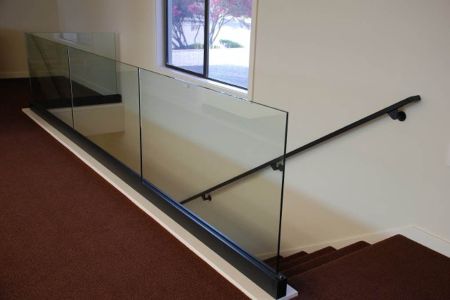
Modern homes love glass. Big windows, sleek doors, open staircases, and even glass walls inside the house all look clean, bright, and intentional. But if you’re thinking about adding or upgrading glass features, you’ve probably paused at least once and thought, Is this actually safe? Will it hold up? Is it worth the investment? Those questions are completely fair. That’s why tempered glass comes up so often in these conversations.
Before you commit, it helps to know how tempered glass behaves, where it works best, and what trade-offs come with it. Here are the things homeowners often wish they knew earlier.
It’s Designed for Safety
Here’s the thing most people miss at first: tempered glass isn’t just “stronger glass.” It’s engineered to fail differently. When regular glass breaks, it shatters into long, sharp shards that can cause serious injuries. Tempered glass, on the other hand, is heat-treated so that when it breaks, it crumbles into small, blunt pieces.
Think about kids running through the house, pets bumping into doors, or someone slipping near a glass panel. Accidents don’t give warnings. Knowing the glass is designed to reduce injury risk brings a level of reassurance that standard glass may not offer.
You Can’t Modify It After Installation
This is a big one, and it surprises a lot of homeowners. Once tempered glass is manufactured, it can’t be cut, drilled, or reshaped. Any attempt to do so will cause it to shatter completely.
What that means for you is that you need to properly plan before installation. Measurements need to be exact. Hardware placements need to be finalized. Design decisions should be locked in before the glass is ordered. It’s not a downside so much as a reality to respect. When the planning is done right, everything fits beautifully. When it’s rushed, mistakes can be costly. Taking extra time upfront saves stress, money, and delays later on.
It Works Best in High-Traffic and High-Risk Areas
Not every glass application in your home needs to be tempered, but many modern designs place glass in areas where safety is non-negotiable. Doors, large windows, shower enclosures, stair railings, and room dividers all fall into that category.
Tempered glass is especially valuable in spots where impact is more likely. A swinging door, for example, experiences repeated motion and occasional bumps. A staircase railing needs to handle pressure and weight. These are not places where you want to cut corners.
Choosing tempered glass in these areas is smart risk management. With this glass in these areas, you’ll build a home that can handle movement, energy, and real use.
It Supports Modern Aesthetics
One of the biggest misconceptions about glass in home design is that it’s delicate. Tempered glass challenges that idea completely. It looks light and minimal, but it performs like a much tougher material. That combination is why it fits so naturally into modern homes. You get clean lines, visual openness, and natural light without constantly worrying about durability. You want a home that feels good to live in, not one that makes you nervous every time someone leans a little too hard against a railing or closes a door too fast.
Wrapping Up
Tempered glass has earned its place in modern home design for good reason. It combines safety, strength, and visual clarity in a way few materials can match. But like any smart design choice, it works best when you understand what it can, and can’t do.