
The Ultimate Guide to Renovating Your Home in Phases
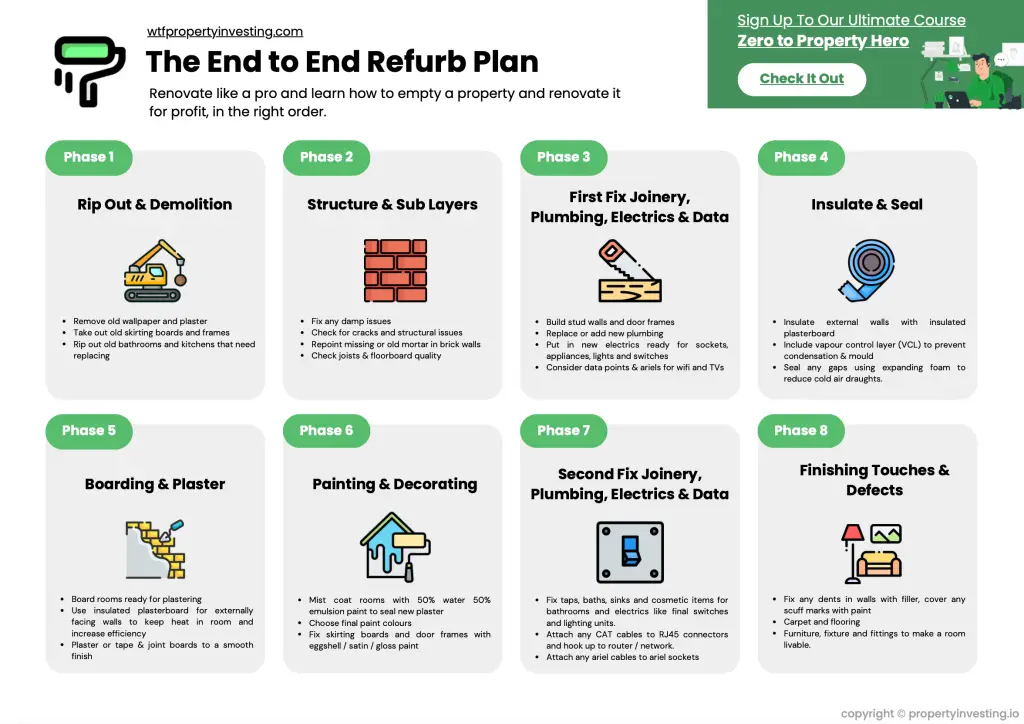
Renovating your home can be one of the most rewarding yet overwhelming experiences. Whether you’re updating outdated rooms or completely transforming your space, it’s important to approach a renovation with a well-structured plan. One of the most effective ways to manage the complexities of a home renovation project is to break it down into manageable phases. By pacing your work, you can avoid overwhelming yourself, stay within budget, and ensure that your home renovation is executed smoothly and successfully.
In this comprehensive guide, we’ll explore how to renovate your home in phases, from planning and budgeting to executing each phase with precision.
1. Phase 1: Pre-Renovation Planning and Budgeting
Before you start tearing down walls or picking out paint colors, it’s essential to lay the groundwork for your renovation. This first phase sets the tone for the entire project and ensures that everything is on track. Begin by determining the scope of your renovation. Are you revamping a single room, or are you undertaking a whole-house renovation? The scale of the project will influence how you approach subsequent phases.
Set Your Priorities
During the planning phase, prioritize what needs to be done. Focus on the most important areas that require attention, such as structural repairs, plumbing, or electrical work. These critical elements should take precedence over cosmetic changes like flooring or cabinetry. Addressing essential upgrades first will not only improve the safety and functionality of your home but also provide a solid foundation for the more decorative aspects of the renovation.
Establish a Budget
Creating a realistic budget is a crucial step in the pre-renovation phase. Outline every aspect of your project, including materials, labor costs, and potential contingency funds for unexpected expenses. It’s advisable to allocate a 10-20% buffer for unforeseen issues, such as hidden structural problems or delays in the supply chain. By doing so, you’ll avoid financial strain down the road.
2. Phase 2: Demolition and Structural Work
Once the planning and budgeting phases are complete, it’s time to roll up your sleeves and get started. The second phase typically involves demolition, structural repairs, and any necessary foundational work. This is where most of the heavy lifting occurs, and it’s essential to ensure that all critical structural elements are addressed before moving forward with aesthetic updates.
Demolition
If your renovation involves removing walls or old materials, this is the phase where it happens. Demolition can be labor-intensive, but it’s essential for creating the desired layout. Whether you’re opening up a space or tearing down an outdated fireplace, ensure you’ve obtained the necessary permits and followed safety protocols.
Structural Changes
In this phase, focus on making any structural alterations. This may include replacing or reinforcing beams, updating plumbing or electrical systems, or reinforcing the foundation. Structural issues should be addressed early on because they form the backbone of your project. Once these elements are complete, the rest of the renovation can proceed without the risk of undoing essential work.
3. Phase 3: Roughing In the Basics
After the structural changes are complete, the next phase of your renovation involves installing the essential systems that keep your home running smoothly. This includes plumbing, electrical wiring, heating, and air conditioning systems. Ensuring that these utilities are properly integrated during the renovation phase will allow you to continue building out the space without issues.
Plumbing and Electrical
Consider upgrading your plumbing and electrical systems if they are outdated. Replacing old pipes and wiring not only improves the functionality of your home but also prevents future problems. Many renovations require moving or installing new plumbing lines for kitchens, bathrooms, or laundry areas. Ensure that your electrical systems can support any new appliances or lighting fixtures you’re adding.
Insulation and Drywall
After plumbing and electrical work is in place, the next step is insulation. Proper insulation is key for energy efficiency and comfort. Following insulation installation, drywall can be mounted. At this stage, walls are starting to take shape, and it’s exciting to see your vision come to life.
4. Phase 4: Interior Finishes
Once the rough-in phase is complete, the renovation begins to take on a more polished look. This is where you can focus on details that will elevate the space and make it feel like home. Whether it’s choosing paint colors, installing new flooring, or selecting cabinetry, the interior finishes are what give your home character.
Flooring
Flooring choices are integral to the final aesthetic of your home. Whether you’re installing hardwood, tile, carpet, or laminate, the right flooring will set the tone for the entire room. Choose a material that complements your design while also providing durability and ease of maintenance.
Paint and Trim
Now is the time to add paint and trim to your walls. This is one of the quickest and most affordable ways to make a dramatic difference in a room. Choose a color palette that suits your overall design vision. Don’t forget to include baseboards and crown molding for a refined, polished appearance.
Fixtures and Hardware
During this phase, the installation of fixtures, such as lighting, faucets, and hardware, adds a finishing touch. Consider upgrading to more modern or energy-efficient options that align with your design style. These small details can have a significant impact on the overall aesthetic.
5. Phase 5: Final Touches and Landscaping
The final phase of a home renovation is all about completing the last touches and ensuring everything is in working order. The space should now be fully functional, and this phase is about ensuring the aesthetic and practical elements come together seamlessly.
Decorating and Furnishing
Now that the major renovation work is finished, it’s time to bring in furniture and decor. This includes selecting pieces that not only complement your space but also serve practical functions. Invest in pieces that are durable and will stand the test of time while contributing to the overall atmosphere of the room.
Landscaping and Outdoor Spaces
If your renovation extends to outdoor spaces, landscaping should be the final step. Whether you’re adding a garden, patio, or new lawn, the exterior of your home should feel just as polished as the interior. Landscaping not only enhances curb appeal but also increases the overall value of your property.
6. Conclusion: Moving Forward with Confidence
Renovating your home in phases allows you to manage costs, minimize disruptions, and ensure each aspect of the renovation is completed thoroughly and thoughtfully. By breaking the process into smaller, manageable steps, you can stay organized and focused on the bigger picture.
Remember to pace yourself, stay within your budget, and consult with professionals when necessary. Home renovations can be time-consuming and challenging, but with the right approach, they can also be incredibly rewarding. The key is to take it one phase at a time and enjoy the transformation of your space as it unfolds.