
How to Design Your Dream Home: A Step-by-Step Guide
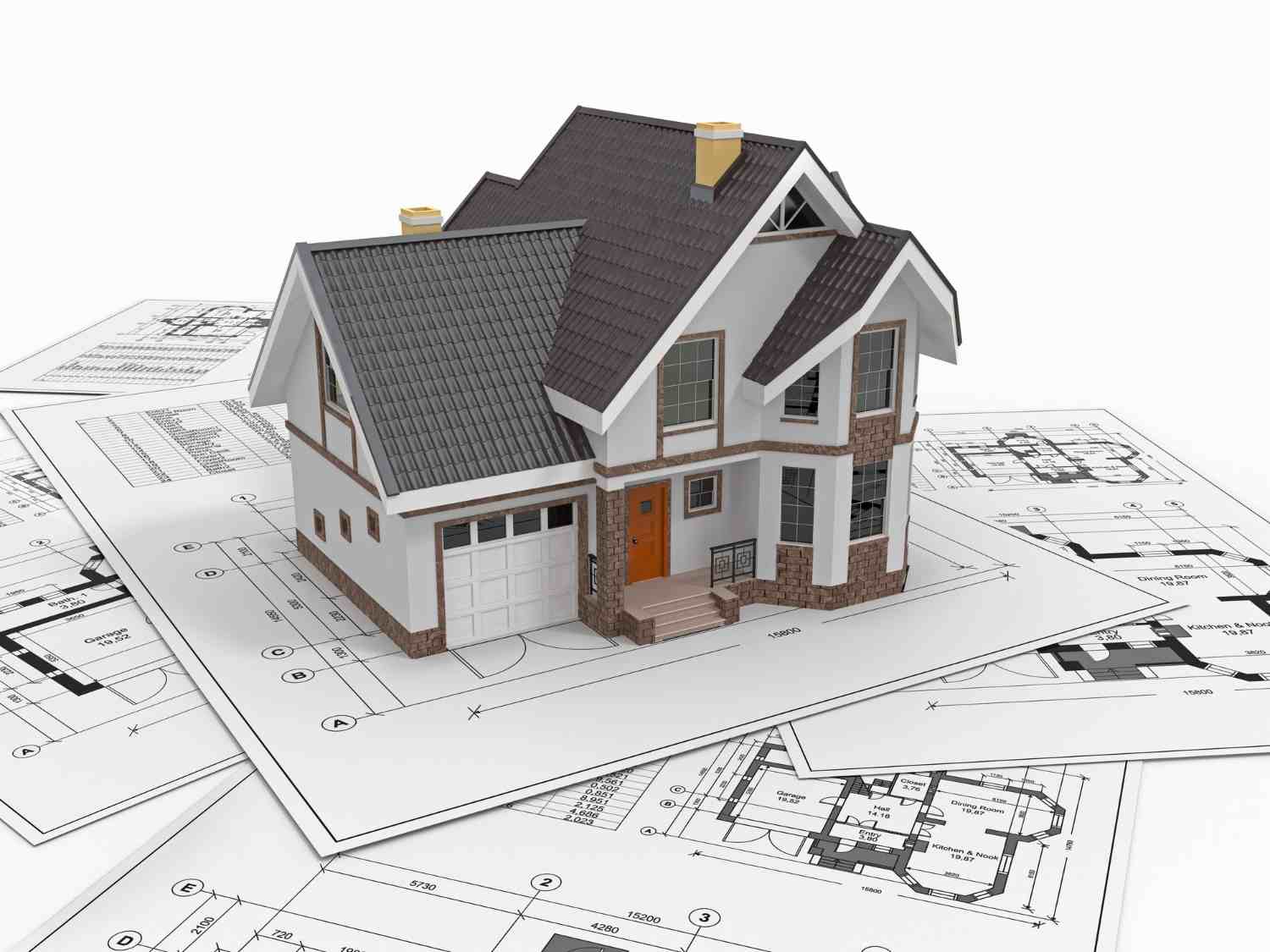
Designing your dream home is an exciting and rewarding journey. Whether you’re building from scratch or embarking on a renovation project, creating a space that reflects your personal style, needs, and lifestyle requires careful planning and attention to detail. In this step-by-step guide, you’ll discover the essential elements of the design process, along with tips and strategies to ensure your dream home becomes a reality. Here’s how to design your dream home with confidence and creativity.
1. Define Your Vision and Goals
Before diving into the world of floor plans and materials, it’s essential to understand what you truly want from your dream home. Start by reflecting on your vision and goals. Consider the following:
- Lifestyle needs: How do you live day-to-day? Do you work from home? Do you entertain frequently? Think about how your home can accommodate your current and future lifestyle.
- Aesthetic preferences: What design style speaks to you? Whether it’s modern, traditional, farmhouse, or eclectic, having a clear aesthetic vision will guide your decisions.
- Functionality: Focus on the functionality of the spaces. Is having an open floor plan important, or do you prefer more defined, intimate spaces? Will you need specific rooms for hobbies or a growing family?
Identifying your core goals helps to steer the design process in the right direction, ensuring you achieve a home that’s not only beautiful but also practical.
2. Create a Realistic Budget
A well-defined budget is crucial when designing your dream home. It’s easy to get carried away with aspirations, but without financial boundaries, the project can quickly become overwhelming. Your budget should include all aspects of the design, such as:
- Construction costs: Labor, materials, and contractor fees.
- Interior furnishings: Furniture, lighting, and decor.
- Landscaping: Outdoor spaces, including gardens, patios, or pools.
- Contingency fund: It’s always wise to have a contingency fund for unexpected expenses.
Once you have an overall figure in mind, break down the budget into specific categories to avoid overspending in any one area. Prioritize essential features and consider where you can make adjustments if needed.
3. Choose a Location and Understand Zoning
If you’re starting from scratch, selecting the right location is a fundamental part of the design process. Whether you’re looking for a rural retreat, a suburban home, or an urban apartment, your location will have a significant impact on the design of your dream home.
- Land analysis: Assess the size, slope, and shape of the land. This will influence how you can lay out your home.
- Zoning laws: Ensure that your land complies with local zoning regulations. Zoning laws can affect the size, style, and placement of your home.
- Community considerations: Research the community amenities, schools, safety, and any other factors that may influence your living experience.
Understanding these elements early on will help avoid costly mistakes or delays later in the project.
4. Hire the Right Professionals
While designing a dream home is an exciting process, it requires professional expertise to bring your vision to life. Surround yourself with a team of professionals who can guide you through each phase of the project:
- Architect: An architect will help translate your vision into detailed plans and designs, making sure everything meets safety codes and zoning laws.
- Interior designer: A designer will ensure that the interior layout and aesthetics align with your personal taste and functionality.
- Contractor: A general contractor will manage the construction process, coordinating subcontractors, ensuring the project runs on schedule, and keeping the work within budget.
Choosing the right professionals is critical to the success of your project, so take time to research and interview candidates before making any decisions.
5. Focus on the Layout and Floor Plan
The floor plan is one of the most important elements of your dream home. It will determine the flow of spaces, how you interact with your home, and the overall functionality. Think about the following when designing your floor plan:
- Room sizes and proportions: Ensure rooms are proportionate to their function. For instance, bedrooms may not need to be as large as living or dining areas, but a spacious master bedroom can add comfort.
- Traffic flow: How will people move throughout the space? Make sure there are no bottlenecks or unnecessary barriers between rooms.
- Future flexibility: Will your home need to adapt over time? Consider designing spaces that can evolve, like a room that can function as a home office today and a nursery in the future.
Incorporate open spaces where possible to allow natural light to flow and create a sense of openness, even in smaller areas. The layout should not only be functional but also create an inviting atmosphere for relaxation and socialization.
6. Choose Sustainable and High-Quality Materials
Sustainability is becoming an increasingly important factor in home design, with many homeowners opting for eco-friendly and durable materials. Select materials that align with your vision, budget, and environmental goals. Some ideas include:
- Sustainable wood: Opt for FSC-certified timber or bamboo for flooring and furniture.
- Energy-efficient windows: Double-glazed windows help regulate the home’s temperature, improving energy efficiency.
- Low-VOC paints and finishes: These eco-friendly finishes improve indoor air quality and contribute to a healthier home environment.
By choosing quality, long-lasting materials, you’ll reduce maintenance costs in the long run while also enhancing the overall aesthetic and comfort of your home.
7. Pay Attention to Lighting
Lighting is a key factor in setting the mood and atmosphere of your dream home. Whether you’re opting for natural light or artificial lighting, the right combination can dramatically change the feel of a space. Consider these lighting options:
- Ambient lighting: General lighting to brighten the room. Recessed lights, chandeliers, or pendant lights can add elegance and function.
- Task lighting: Focused lighting for specific tasks, such as reading lights or under-cabinet lighting in the kitchen.
- Accent lighting: Highlighting certain features, such as artwork or architectural details, with directional lighting.
Consider strategically placing windows to maximize natural light, and incorporate smart lighting systems to adjust brightness and color based on the time of day.
8. Incorporate Smart Technology
Today’s dream homes are not just about style and function; they’re also about smart, integrated technology. Smart home features can help streamline your daily routines and improve convenience. Some ideas to incorporate:
- Smart thermostats: Control temperature settings from your smartphone, optimizing comfort and energy efficiency.
- Home security systems: Install cameras, smart locks, and motion detectors for added peace of mind.
- Voice-activated assistants: Use Alexa, Google Assistant, or Siri to control lighting, music, and even appliances.
These systems enhance your quality of life and increase your home’s value by making it more efficient and secure.
9. Focus on Outdoor Living Spaces
Outdoor spaces are becoming just as important as indoor areas in modern home design. Whether it’s a large backyard or a small patio, creating functional and relaxing outdoor spaces can extend your living area and improve your lifestyle. Consider these additions:
- Outdoor kitchens: Build a space equipped with a grill, sink, and storage for easy outdoor cooking and dining.
- Patios and decks: Install comfortable seating areas for entertaining or quiet relaxation.
- Landscaping: Integrate gardens, water features, or fire pits to create an inviting environment.
Well-designed outdoor areas can enhance your home’s appeal and create a seamless connection between your interior and exterior spaces.
10. Finalize and Enjoy Your Dream Home
Once the design is complete, the construction process begins. Throughout the project, stay involved, but also be open to adjustments. There may be challenges along the way, but with careful planning and the right team, you’ll be able to overcome them. After construction is completed, it’s time to furnish your home and enjoy the results of all your hard work.
Remember, designing your dream home is a process, and while it requires patience and effort, the rewards are immeasurable. By following these steps, you can create a space that is uniquely yours and tailored to your personal taste and lifestyle.
In conclusion, designing your dream home is an intricate and thoughtful process. By carefully defining your vision, creating a solid budget, and working with skilled professionals, you can turn your dream into a tangible reality. With attention to detail and an understanding of your needs, your dream home will be a sanctuary that enhances your quality of life for years to come.