

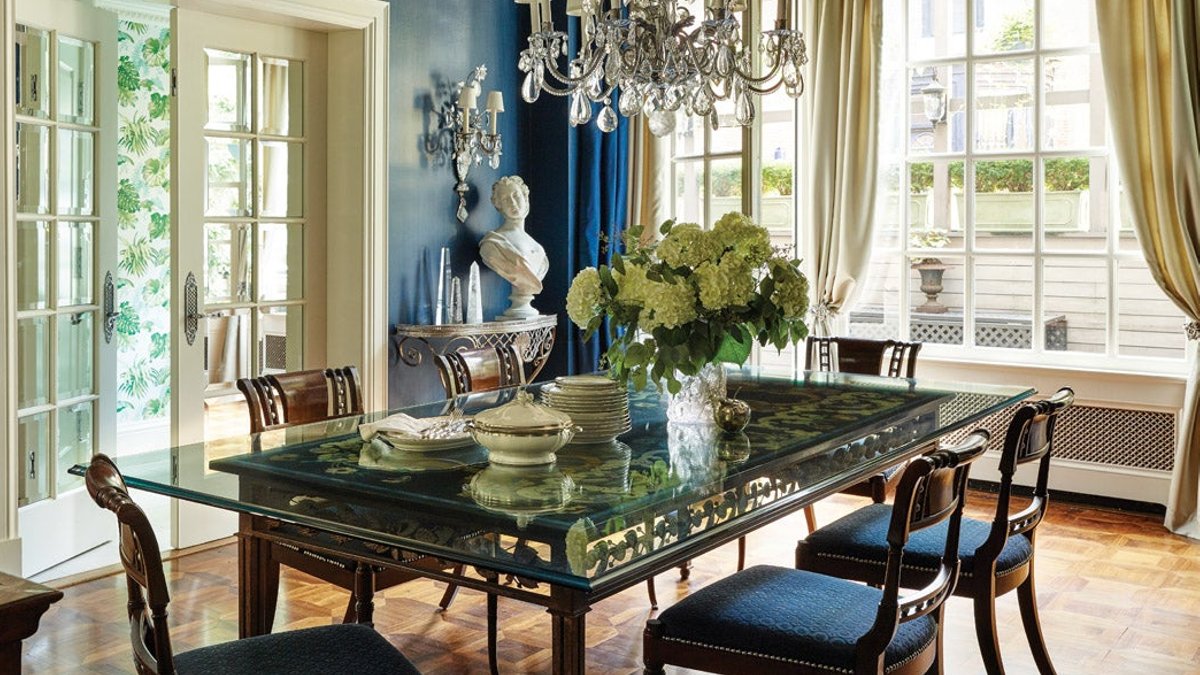
Barbara Eberlein was honored at the Friends of Rittenhouse Square’s annual gala on June 18, 2026, marking a year‑long celebration of the nonprofit’s 50th anniversary and the designer’s contributions to historic preservation in Philadelphia.
Recognition at the Ball on the Square
The event, billed as a “Ball on the Square,” transformed the historic park into an open‑air ballroom for a sold‑out crowd. Eberlein, a member of the Friends of Rittenhouse Square board since 1998, received the evening’s top accolade, a nod to her decades of work restoring significant townhouses in the Rittenhouse neighborhood. In her acceptance remarks she said, “We shape the natural world around us, and it most certainly shapes—and nourishes—us.”
Organizers noted that the gala’s setting reflected the mission of the Friends of Rittenhouse Square, a nonprofit founded in 1976 to oversee the park’s upkeep and maintain its role as a central public space. The organization grew out of the early‑20th‑century Rittenhouse Square Improvement Association, which still guides the square’s classical design.
Eberlein’s Portfolio and Impact
Barbara Eberlein leads Eberlein Design Consultants, an award‑winning firm specializing in historic preservation. Projects highlighted at the gala included the Philadelphia Art Alliance on Rittenhouse Square, a 1906 building by Charles Klauder, and Drexel University’s Alumni Center housed in an 1876 Frank Furness structure. Her firm also restored Ardrossan, a 1912 Georgian home in Villanova designed by Horace Trumbauer.
Related: New York Historical Society opens Tang Wing
Perhaps the most personal example of her work is her own five‑story townhouse, built in 1856, which she restored and furnished with period‑appropriate antiques. The residence stands as a living showcase of her approach: authentic, period‑accurate interiors that serve modern lifestyles. Her emphasis on “authentic, period‑accurate interior design that feels lived in” aligns with the broader trend of preserving urban heritage while adapting it for contemporary use.
Beyond individual projects, Eberlein has chaired previous Ball on the Square events, reflecting her long‑standing involvement with the Friends of Rittenhouse. In 2024 she received the Clem Labine award, another indicator of her influence within the preservation community.
Her work inspires peers.
Comparing Eberlein’s work to past preservation efforts in the city reveals a shift from merely protecting facades to integrating interiors that accommodate today’s occupants. Earlier restorations often left interiors untouched, creating a disconnect between historic exteriors and modern usage. Eberlein’s projects, by contrast, aim for a seamless blend, suggesting a more holistic view of heritage that could inform future city‑wide initiatives.
Related: Architect Stern reflects on legacy
Historic Context of Rittenhouse Square
Rittenhouse Square, laid out in 1682, is the fourth‑oldest park in the United States. Its early design emphasized public access, a principle that continues to guide its use. During the Gilded Age, the surrounding neighborhood attracted some of America’s wealthiest families, cementing its reputation as a desirable residential district. Mid‑20th‑century development saw many Victorian mansions replaced by high‑rise condominiums, though several Art Deco and Italianate structures survive.
The square’s enduring appeal rests on its blend of classical landscaping and modern amenities, a balance that the Friends of Rittenhouse Square strives to preserve. The nonprofit’s stewardship includes regular maintenance, event programming, and advocacy for historic structures within the park’s vicinity.
Future Outlook for Preservation
Looking ahead, the city’s preservation agenda appears to be influenced by the kind of work Eberlein exemplifies. As developers propose new projects, the emphasis on period‑accurate interiors may become a benchmark for approval, especially in historically sensitive districts like Rittenhouse Square. Stakeholders will likely watch how the Friends of Rittenhouse continues to collaborate with designers and architects to protect the park’s legacy while accommodating growth.
The gala concluded with a reminder that the park remains a public asset, open to all residents and visitors. With Eberlein’s recognition, the message was clear: preserving the past is a communal effort, and skilled professionals play an important role in that ongoing process.


